ServicesGrading
Grading in Greer
We shape your lot so water runs away from the house and the foundation sits on firm, compacted ground. Then we come back after the first heavy rains to see how the slopes are holding and show you how to keep them that way.
What good grading does for a lot
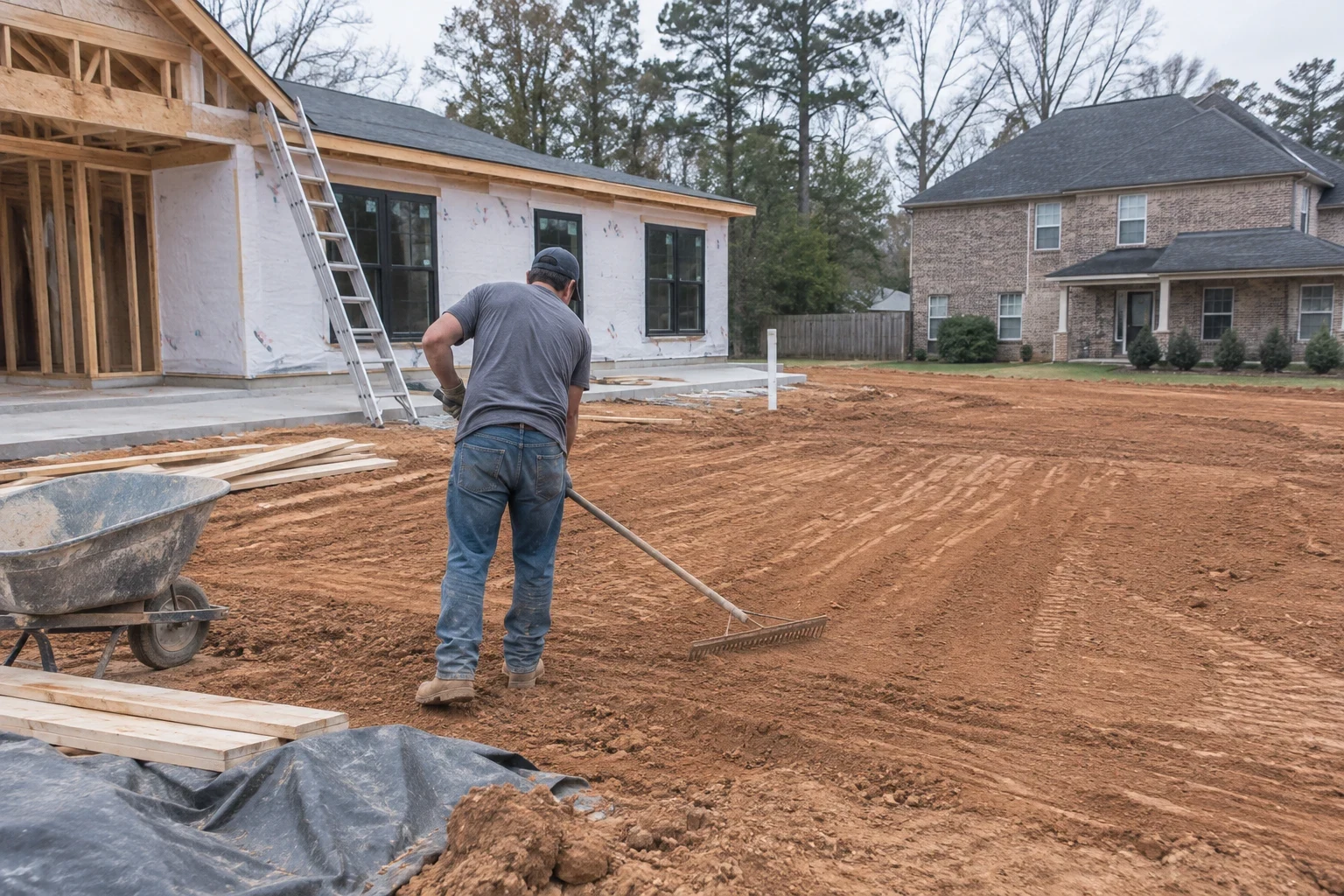
Grading is the work of moving and compacting soil until the ground has the shape a house needs. On a new build that means a level, solid building pad and slopes that carry rainwater off toward swales or the street. On an existing home it usually means correcting a yard that tips toward the foundation, or reshaping ground for an addition, a driveway or a patio.
Most of what goes wrong with a house starts with water that has nowhere to go. A wet crawlspace, a cracked slab, a soggy corner of the yard: these often trace back to grade that was set a few inches wrong. The red clay common across the Upstate holds water and moves when it swells and dries, so the shape of the ground matters more here than the finish on the lawn.
We set grade with a laser level, compact each layer of soil before the next goes down, and leave you with notes on what to watch as the ground settles over its first season.
What our grading work includes
- 01
Site survey and grade plan
We take elevations across the lot and mark where water enters, where it needs to leave and where the house or addition will sit. You see the plan before any machine moves.
- 02
Rough grading and building pad
We cut high spots, fill low ones and build the pad to the elevation the plans call for. Fill goes down in lifts of a few inches at a time and is compacted between each one, so it does not settle later under a slab or footing.
- 03
Drainage slopes and swales
Ground next to the house is shaped to fall away from it, typically about six inches over the first ten feet. Shallow swales carry runoff around the house rather than against it.
- 04
Erosion control while soil is bare
Silt fence and straw keep loose soil on your property and out of the neighbor's yard or the storm drain while the ground is open.
- 05
Finish grading and topsoil
Once the heavy work is done, we smooth the surface, respread saved topsoil and leave the ground ready for seed, sod or landscaping.
Questions about Grading?
Call(864) 400-7879Signs your lot needs grading
Water stands near the foundation
Puddles that linger along the house a day after rain mean the ground slopes the wrong way or has settled into a dip.
A damp or musty crawlspace
Moisture under the house often comes from surface water soaking in at the walls. Regrading is usually the first and least invasive fix.
Soil washing out after storms
Bare channels, exposed roots or red mud across the driveway show where runoff is cutting its own path.
Settled fill around the house
Backfill that was never compacted sinks over the years and leaves a moat along the foundation.
You are planning a build or addition
Any new foundation needs a pad at the right elevation with drainage worked out before framing begins.
How a grading job runs
- 1
Walk the lot together
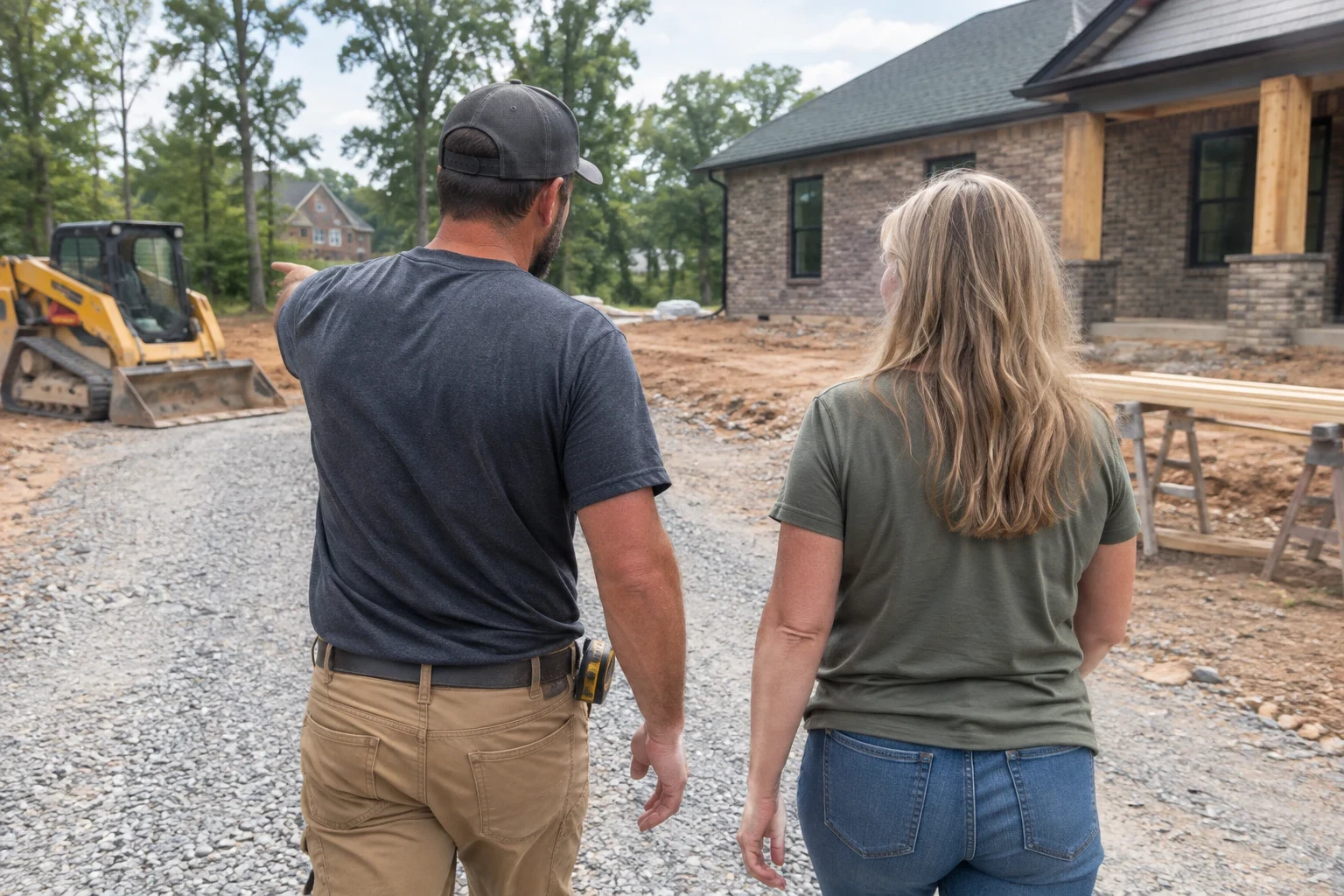
During the project consultation we walk the property with you, look at how water moves now and talk through what the finished ground should do. If a permit for land disturbance is required, we handle the paperwork.
- 2
Mark and protect
We stake elevations, locate utilities, set erosion control and mark trees, beds and hardscape you want left untouched.
- 3
Cut, fill and compact
Equipment shapes the rough grade, then fill is placed and compacted in lifts. We check elevations as we go rather than at the end.
- 4
Finish and clean up
We set the final surface, respread topsoil, seed and straw where agreed, and clear the site of debris and tracked mud.
- 5
Check back after the rains
A few weeks out, once real storms have come through, we return to look at the slopes and swales and fix any spot that is not draining as planned. You also get simple care notes: keep mulch below the siding line, keep downspouts discharging onto splash blocks or extensions, and fill small settling early.
What shapes the cost of grading
Every lot is different, so we price grading after we have walked it. Your estimate is written out line by line, so you can see what the soil work, the materials and the finish each account for.
- How much soil moves
- A gentle slope that needs reshaping costs far less than a lot that needs a deep cut or hundreds of yards of imported fill.
- Soil and rock
- Heavy clay that has to be dried or amended, or rock that turns up below the surface, adds time and equipment.
- Access to the work
- Open lots let us use larger machines. Tight side yards, fences and finished landscaping mean smaller equipment and more handwork.
- Drainage additions
- Some sites need more than slope, such as a French drain or a culvert under a driveway, and those are priced as separate line items.
- Finish and permits
- Seed and straw, sod or bare topsoil each cost differently, and any required permit fees are listed on their own line.
Grading questions we hear often
Can you grade a lot that has not been cleared yet?
Clearing comes first, since stumps and roots left in the ground rot and leave soft spots. We handle land clearing as its own step and can schedule it right before grading so the soil is not left open for long.
How long does grading take?
A yard correction around an existing home often takes a day or two. A full building pad with drainage for a new custom home can take longer, depending on soil and weather. Wet clay cannot be compacted properly, so we wait out rain rather than rush it.
Will the equipment tear up my yard?
Some disturbance is unavoidable where the ground is being reshaped. We mark the areas to protect, use matting where machines must cross finished lawn, and keep equipment to the planned route.
Why do you come back after the job is done?
Freshly graded soil settles, and heavy rain shows things a dry day cannot. A return visit lets us catch a low spot or a washed swale while it is a small fix, and walk you through what to keep an eye on.
Does grading connect to my foundation work?
Yes. The pad elevation and drainage around it are set with the foundation in mind, and if we are also handling foundation work, both are planned together so the footings sit on compacted, well-drained ground.
Start with a walk around your lot
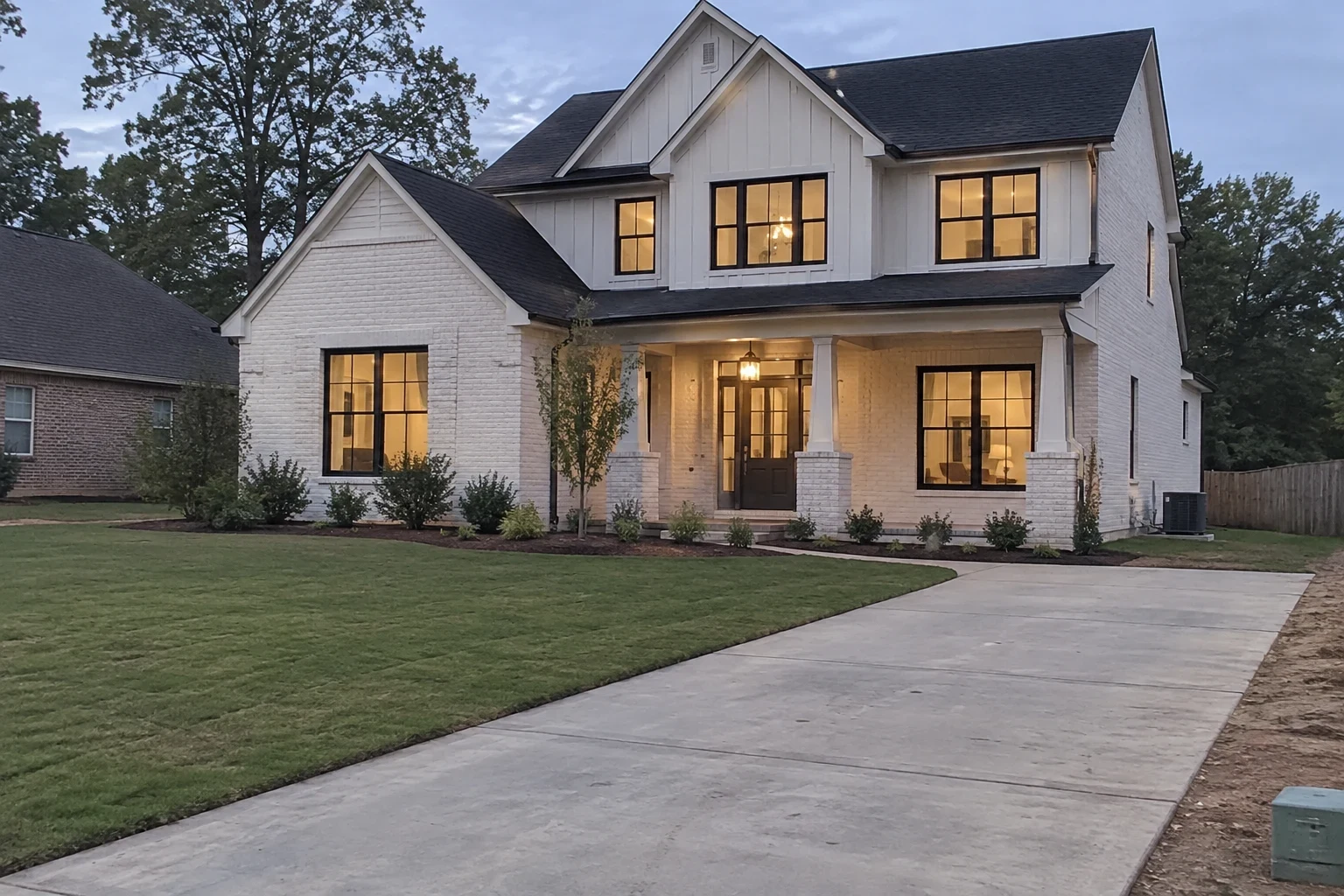
Tell us what you are building or what the water is doing now. We will look at the ground with you and lay out a grading plan that fits the site.